🔹 Opening Paragraph
Pariksha Pe Charcha 2026 unfolded today with a tone that felt noticeably different from previous years. As students across India prepare for board and competitive exams, the annual interaction shifted focus toward emotional load, self-expectation, and everyday pressure.
What stood out this time was not just advice—but the urgency of the moment, as exam season moves into its most stressful phase.
A Familiar Platform, But a Changed Mood
Pariksha Pe Charcha 2026 returned at a time when academic stress is no longer limited to exam halls. From Class 10 and 12 board candidates to parents navigating expectations, the conversation this year reflected a wider social reality.
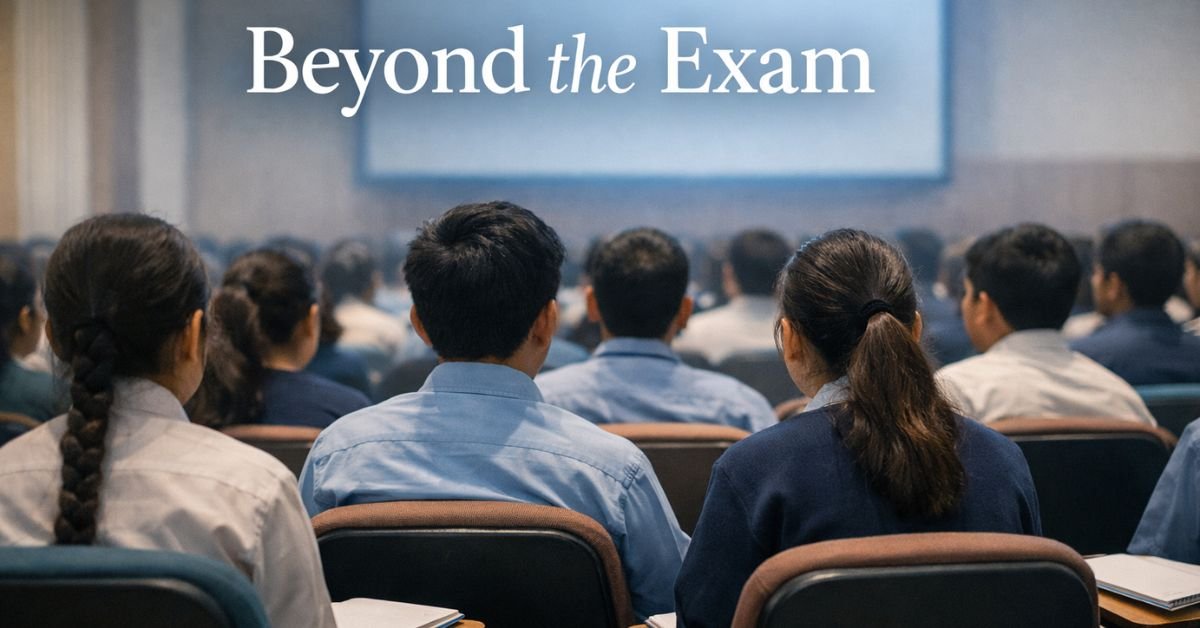
Held as a nationwide interaction, the programme connected students from different regions, backgrounds, and academic streams. The questions raised were less about “how to score more” and more about how to stay steady when pressure builds.
That shift did not happen by accident.
How the Conversation Has Evolved Over the Years
When Pariksha Pe Charcha was first introduced, it was largely seen as a motivational address before exams. Over time, the platform has expanded into something closer to a national reflection on education culture.
In 2026, the emphasis leaned strongly toward:
- Mental fatigue caused by constant comparison
- Fear of disappointing parents or teachers
- Confusion around career choices at a young age
Students did not sound uncertain. They sounded exhausted.
That distinction shaped the tone of the event.
Students Asked What Schools Often Don’t
One of the defining features of Pariksha Pe Charcha 2026 was the nature of the questions selected. Many revolved around issues rarely addressed in classrooms.
Several students spoke about:
- Losing confidence after repeated mock-test failures
- Feeling left behind despite hard work
- The pressure of social media comparisons during exam time
Instead of dismissing these concerns as “part of student life,” the discussion acknowledged them as real and valid experiences.
That acknowledgment itself became one of the strongest messages of the day.
The Core Message Delivered Today
Addressing the gathering, Narendra Modi repeatedly returned to the idea that exams are an assessment—not a verdict on a student’s worth.
Rather than pushing productivity slogans, the message stressed rhythm and balance. Preparation, students were told, should not come at the cost of physical health, curiosity, or self-respect.
The language used was simple, often conversational, and intentionally non-technical. That choice made the interaction feel less like a lecture and more like a pause in a crowded academic calendar.
Why Pariksha Pe Charcha 2026 Feels Timely
This year’s edition arrives amid rising conversations around student mental health. Schools, coaching centres, and families are increasingly aware that performance pressure begins earlier and lasts longer than before.
Pariksha Pe Charcha 2026 tapped directly into that reality.
For many students, hearing national-level acknowledgment of their stress carries emotional weight. It signals that anxiety around exams is not a personal weakness—but a shared challenge.
That framing matters.
The Role of Parents and Teachers
Another noticeable aspect of the 2026 edition was the attention given to parents and educators. Instead of addressing students alone, the programme subtly widened its audience.
Parents were urged to observe patterns rather than results—how a child studies, rests, and reacts under pressure. Teachers were reminded that fear-based motivation often creates short-term compliance, not long-term learning.
These points were not delivered as criticism, but as course correction.
Participation at a National Scale
Like previous editions, Pariksha Pe Charcha 2026 saw participation from millions through live broadcasts and digital platforms. Schools across states adjusted schedules so students could watch collectively.
The scale of engagement highlights why the event continues to matter. Few educational initiatives manage to reach classrooms, homes, and public discussion spaces at the same time.
This reach turns a single interaction into a shared national moment.
🔹 Quick Snapshot: Pariksha Pe Charcha 2026
- Nationwide student interaction held during peak exam season
- Focus moved beyond marks to emotional resilience
- Student questions reflected real stress and self-doubt
- Parents and teachers addressed alongside learners
- Tone noticeably calmer and reflective than earlier years
🔹 What Changed Today
The most significant change in Pariksha Pe Charcha 2026 was the framing of success. Instead of treating exams as defining milestones, today’s discussion positioned them as one part of a much longer journey.
There was less emphasis on competition—and more on continuity.
That subtle shift sets this edition apart.
🔹 Why This News Matters
With board exams, entrance tests, and internal assessments overlapping for many students, timing is crucial. Messages delivered now can influence not just preparation strategies, but emotional responses in the weeks ahead.
Pariksha Pe Charcha 2026 arrives as a reminder that national education discourse is slowly broadening—recognising well-being as a factor in performance, not a distraction from it.
🔹 Perspective from the Education Space
Education observers note that platforms like this shape how stress is discussed at home. When pressure is publicly acknowledged, it becomes easier for families to talk about it privately.
The 2026 edition reinforces the idea that resilience is built through consistency, not fear. That perspective aligns with emerging educational research and ground-level classroom experience alike.
🔹 What Could Happen Next
The themes raised during Pariksha Pe Charcha 2026 are likely to echo through upcoming exam cycles. Schools may revisit how they counsel students. Parents may rethink how success is measured at home.
While the event itself lasts only a few hours, its real impact depends on how these conversations continue—after the screens are turned off.

My name is Ankit Yadav, and I am a passionate digital journalist and content creator. I write about technology, entertainment, sports, and current affairs with the aim of delivering unique, accurate, and engaging information to my readers.
I believe news should not only inform but also provide clear insights and fresh perspectives. That’s why I focus on making my articles easy to read, reliable, and meaningful.
📌 I specialize in Tech Trends, Latest News, Cybersecurity, Digital Media, Sports, and Entertainment.
📌 My mission is to share fast, authentic, and valuable updates with every article I publish.