A closer look at Rahul Banerjee death
The Rahul Banerjee death has drawn widespread attention, not only because of the loss of a known actor but also due to the circumstances surrounding the incident. While public conversations often focus on emotional reactions or immediate details, a more meaningful approach is to examine what this event reveals about safety, risk awareness, and industry practices.
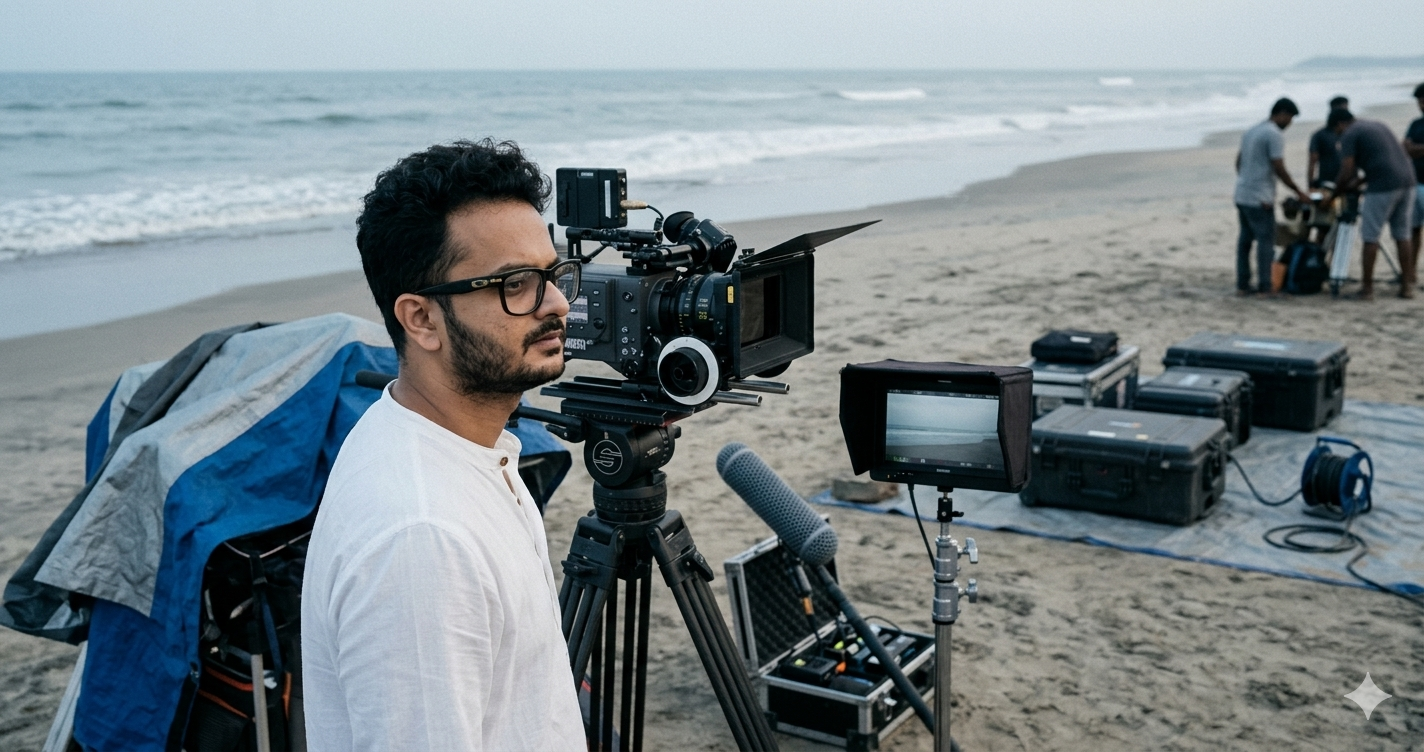
Rahul Arunoday Banerjee was actively working in television when the incident occurred. His sudden passing highlights a pattern that is not unique—accidents during outdoor shoots, particularly near natural environments like water bodies, have long posed risks that are sometimes underestimated.
Understanding the nature of such incidents
The Rahul Banerjee death appears to involve a water-related accident during filming. While exact technical details may vary, such incidents typically fall into a broader category of occupational hazards linked to:
- Unpredictable natural conditions
- Limited real-time safety monitoring
- Inadequate emergency response preparation
Water environments, especially coastal areas, are inherently dynamic. Waves, currents, and shifting ground conditions can change within minutes. Even seasoned people can be taken by surprise.
According to the National Disaster Management Authority, coastal and water-related accidents often occur due to underestimation of environmental risk rather than lack of skill.
Film and television production risks
The Rahul Banerjee death also brings attention to how production environments operate. Outdoor shoots are often fast-paced, with pressure to complete scenes within tight schedules. This can lead to compromises, such as:
- Reduced time for safety briefings
- Minimal hazard assessment before shooting
- Lack of specialized safety personnel on set
In India, unlike some international film industries, safety regulations for on-location shoots are still evolving. While guidelines exist, enforcement can vary significantly depending on production scale and budget.
The Ministry of Labour and Employment emphasizes workplace safety under the Occupational Safety, Health and Working Conditions Code, but creative industries often operate in semi-structured environments where compliance is inconsistent.
Why water-related shoots are high-risk
The Rahul Banerjee death underscores a specific category of danger—water-based filming. These scenarios require a different level of preparation compared to standard shoots.
Key risks include:
- Sudden wave surges or rip currents
- Slippery surfaces and unstable footing
- Limited visibility under water
- Delayed rescue response time
Globally, professional productions mitigate these risks by deploying lifeguards, divers, and safety coordinators. However, smaller or mid-scale productions may not always adopt such measures.
This gap between ideal safety standards and real-world practices becomes critical in understanding incidents like the Rahul Banerjee death.
The human factor: decision-making under pressure
Another important dimension in the Rahul Banerjee death is human behavior. On film sets, individuals often operate under creative and time pressure. This may subtly affect how decisions are made:
- Proceeding with a shot despite visible risks
- Trusting informal safety judgments instead of structured protocols
- Prioritizing continuity over caution
These are not isolated issues but systemic patterns seen across industries involving fieldwork.
Research in occupational safety consistently shows that accidents rarely result from a single failure. Instead, they emerge from a chain of small, overlooked risks aligning at the wrong moment.
Lessons for the entertainment industry
The Rahul Banerjee death can serve as a case study for improving safety awareness in Indian entertainment production.
Some practical measures that can reduce such risks include:
1. Mandatory risk assessment before shoots
Every outdoor location, especially near water, should undergo a formal hazard evaluation.
2. Presence of trained safety personnel
Lifeguards, emergency responders, and safety officers should be standard, not optional.
3. Real-time monitoring of environmental conditions
Weather and tide data should be actively tracked during filming.
4. Emergency preparedness drills
Crew members should know exactly what to do in case of an accident.
5. Clear authority to halt unsafe shoots
Any crew member, not just directors, should have the power to raise safety concerns.
Public perception vs structural reality
Public discussions around the Rahul Banerjee death often center on immediate causes—whether it was a wave, a fall, or a specific moment of misjudgment. While these details matter, they can sometimes distract from deeper structural issues.
Accidents like this are rarely just about “what happened.” They are about:
- Why safeguards were insufficient
- Whether risks were properly evaluated
- How systems can prevent similar incidents
Shifting the conversation from reaction to prevention is essential.
Broader implications beyond one incident
The Rahul Banerjee death is not an isolated case when viewed in a broader context. Across industries—construction, tourism, and media—water-related accidents remain a recurring concern in India.
Data and guidelines from NDMA highlight the need for:
- Better public awareness about water hazards
- Standardized safety protocols across sectors
- Improved coordination between local authorities and private operators
When applied to film production, these insights suggest that safety must be integrated into planning, not treated as an afterthought.
A moment for reflection
While the emotional impact of the Rahul Banerjee death is undeniable, its long-term significance lies in what it can teach. Incidents like this often become turning points—if lessons are acknowledged and acted upon.
The entertainment industry in India is expanding rapidly, with more outdoor and large-scale productions than ever before. This growth must be matched with equally strong safety frameworks.
Ultimately, the most meaningful response to the Rahul Banerjee death is not just remembrance, but reform.

My name is Ankit Yadav, and I am a passionate digital journalist and content creator. I write about technology, entertainment, sports, and current affairs with the aim of delivering unique, accurate, and engaging information to my readers.
I believe news should not only inform but also provide clear insights and fresh perspectives. That’s why I focus on making my articles easy to read, reliable, and meaningful.
📌 I specialize in Tech Trends, Latest News, Cybersecurity, Digital Media, Sports, and Entertainment.
📌 My mission is to share fast, authentic, and valuable updates with every article I publish.