US Iran Conflict Trump: Strategy, Risks and Global Impact
The phrase US Iran conflict Trump represents more than a bilateral dispute. It reflects a deeper shift in how power, deterrence, and diplomacy intersect in modern geopolitics. While headlines often focus on immediate developments, the underlying dynamics are shaped by long-term strategic thinking, historical mistrust, and evolving global alliances.
Understanding this conflict requires stepping away from momentary events and examining the broader structure of decisions, incentives, and consequences.
A Conflict Rooted in Strategy, Not Just Politics
The US Iran conflict Trump approach is built on a doctrine that prioritizes pressure over accommodation. Instead of relying on gradual diplomatic engagement, the strategy leans heavily on economic sanctions, military signaling, and unpredictable negotiation tactics.
This method draws from a belief that traditional diplomacy allowed Iran to expand its regional influence. By contrast, a pressure-first approach aims to force recalibration through:
- Economic isolation
- Strategic deterrence
- Regional containment
However, this also increases the risk of escalation, especially in sensitive areas like maritime routes and proxy conflict zones.
The Role of Economic Pressure
Sanctions have been central to the US Iran conflict Trump framework. By targeting oil exports, banking systems, and trade networks, the goal is to weaken Iran’s economic base.
According to the International Monetary Fund (IMF), prolonged sanctions can significantly reduce GDP growth and currency stability in targeted economies. In Iran’s case, this has led to:
- Inflation spikes
- Currency depreciation
- Reduced foreign investment
While economic pressure can bring negotiating leverage, it also creates unintended consequences. Civilian populations often bear the brunt, and governments may respond with increased resistance rather than compliance.
Military Signaling and Strategic Ambiguity
Another defining feature of the US Iran conflict Trump approach is the use of military signaling without full-scale war. This includes:
- Strategic troop positioning
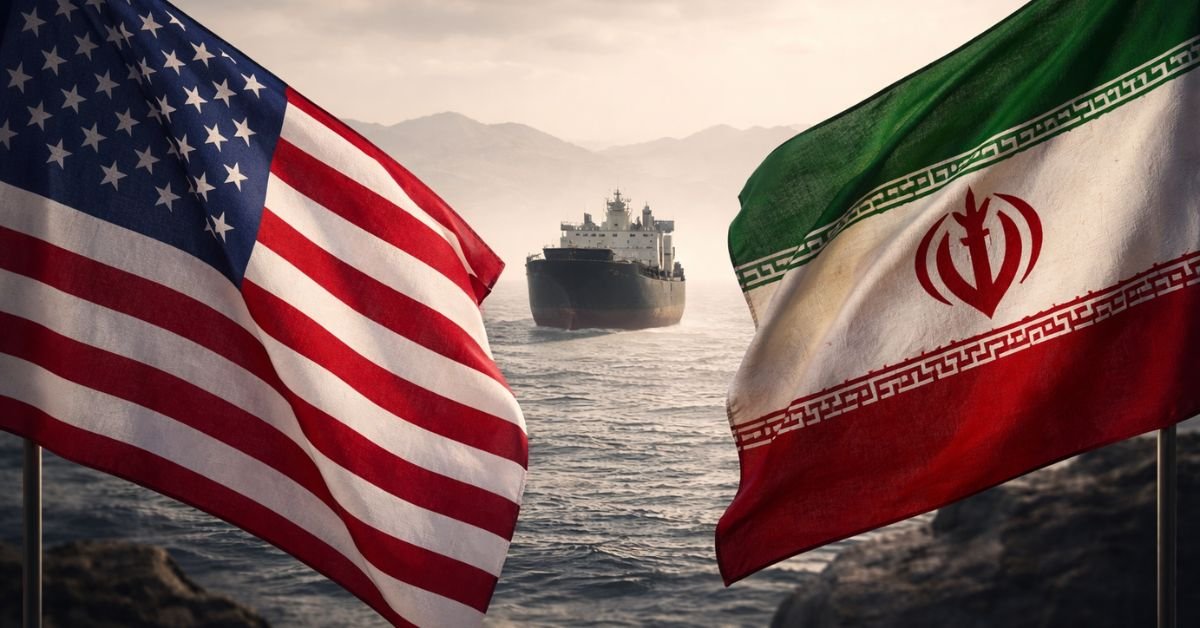
- Naval presence in key waterways
- Targeted operations
This creates a state of controlled tension—high enough to deter, but ideally below the threshold of open conflict.
The concept aligns with deterrence theory, often studied by institutions like the Center for Strategic and International Studies (CSIS). The idea is simple: demonstrate enough capability and willingness to act so that the opponent avoids escalation.
Yet, the challenge lies in unpredictability. When signals are misinterpreted, even minor incidents can spiral into larger confrontations.
Regional Power Dynamics
The US Iran conflict Trump situation cannot be understood in isolation. It is deeply embedded in Middle Eastern geopolitics, where multiple actors influence outcomes.
Key regional implications include:
- Strengthening of rival alliances
- Increased proxy conflicts
- Shifts in energy security dynamics
Countries in the Gulf region often align with US policies for security reasons, while others advocate for diplomatic balance. This creates a fragmented regional environment where cooperation and competition coexist.
Global Economic Implications
One of the most significant aspects of the US Iran conflict Trump framework is its impact on global markets, particularly energy.
The Strait of Hormuz, a critical oil transit route, becomes a focal point during heightened tensions. Even the perception of instability can lead to:
- Rising oil prices
- Supply chain disruptions
- Increased insurance costs for shipping
For countries like India, which rely heavily on energy imports, this has direct economic consequences. Higher crude prices can affect inflation, trade balances, and overall economic planning.
India’s Strategic Position
India’s relationship with both the United States and Iran makes the US Iran conflict Trump situation particularly relevant.
India has historically maintained:
- Energy ties with Iran
- Strategic partnerships with the US
Balancing these relationships requires careful diplomacy. While sanctions may limit direct trade with Iran, India also seeks to maintain regional stability and secure energy access.
This balancing act highlights a broader trend: middle powers navigating between competing global influences.
Diplomatic Challenges and Limitations
The US Iran conflict Trump model emphasizes leverage, but it also faces limitations.
Diplomatic engagement becomes more difficult when:
- Trust is reduced
- Communication channels are strained
- Policy positions shift unpredictably
Negotiations require not just pressure, but also credible pathways to resolution. Without clear incentives for cooperation, prolonged standoffs become more likely.
Long-Term Strategic Risks
A key concern with the US Iran conflict Trump approach is sustainability. While short-term pressure can yield tactical advantages, long-term stability depends on:
- Consistent policy direction
- Multilateral cooperation
- Conflict de-escalation mechanisms
There is also the risk of normalization of tension. When conflict becomes a constant state, it reshapes global expectations and reduces the urgency for resolution.
Beyond Conflict: The Question of Outcomes
Ultimately, the US Iran conflict Trump framework raises a fundamental question: what defines success?
Is it:
- Regime behavior change?
- Regional stability?
- Strategic dominance?
Without a clearly defined end-state, policies risk becoming reactive rather than strategic. This makes outcomes harder to measure and even harder to sustain.
Conclusion
The US Iran conflict Trump dynamic is not simply about confrontation. It represents a broader shift toward pressure-based diplomacy combined with strategic ambiguity.
While this approach can create leverage, it also introduces volatility—both regionally and globally. For countries like India, the implications extend beyond politics into economics and long-term strategic planning.
Understanding this conflict requires looking past immediate developments and focusing on the structural forces shaping decisions. Only then can its true impact—and potential future trajectory—be fully assessed.

My name is Ankit Yadav, and I am a passionate digital journalist and content creator. I write about technology, entertainment, sports, and current affairs with the aim of delivering unique, accurate, and engaging information to my readers.
I believe news should not only inform but also provide clear insights and fresh perspectives. That’s why I focus on making my articles easy to read, reliable, and meaningful.
📌 I specialize in Tech Trends, Latest News, Cybersecurity, Digital Media, Sports, and Entertainment.
📌 My mission is to share fast, authentic, and valuable updates with every article I publish.